



LoveWorld Medicaid
Wellness & Lifestyle

Healthy Living Tips

Expert health guidance, wellness advice and lifestyle tips to help you and your community thrive every day.

17
Articles
Free
Always Free
Daily
New Content
  • Home
  • Healthy Living
Become a Volunteer

Tips for a Healthier Life

10 REASONS TO ADD LEMON TO YOUR WATER

There are many health benefits of lemons, and it is also popular as a cleansing agent. Here are 10 reasons you should add lemon to your drinking water. 1. Lemons boost the Immune system. They are high in vitamin C (great for fighting cold) and potassium (good for stimulating brain/nerve functions and controlling blood pressure). 2. Lemons balance the body’s pH. Lemon is one of the most alkaline foods around, so drinking lemon water every day will reduce your body’s overall acidity. Note that the citric acid in lemon does not create acidity in the body once metabolized. 3. Lemons support weight loss. Lemon contains Pectin fiber, which helps fight hunger carvings. Some studies show that people who maintain a more alkaline diet lose weight faster. 4. Lemons aid digestion. Lemon helps flush out unwanted materials and this aids the secretion of bile from the liver, which plays an important role in digestion. Efficient digestion also reduces heartburn and constipation. 5. Lemons clear the skin. Lemon water purges toxins from the blood which helps keep your skin clear and decreases wrinkles and blemishes as well. Also, lemon extracts can be applied directly to scars to reduce their visibility. 6. Lemons freshen your breath. Not only this, but it can help relieve toothache and gingivitis. Note that citric acid may erode tooth enamel, so you should be careful not to drink too much. 7. Lemons relieve respiratory problems. Warm lemon water helps get rid of chest infections and coughs. It’s also helpful for people with asthma and allergies. 8. Lemons relieve stress. Vitamin C is one of the first things depleted when you subject your mind and body to stress; more lemons equal more vitamin C and less stress. 9. Lemons help kick the coffee habit. After a glass of hot lemon water in the morning. 10. Lemon is a natural diuretic and toxin remover. Lemon cleanses your system the same way it cleans your kitchen. Simply drinking hot lemon water will cleanse the blood, kidneys, bladder, and other organs so that your body can eliminate toxins more easily. Recommendations: Timing: While lemon water may be taken at any time of the day, it is best to take a glass first thing in the morning. Unlike coffee, which is loaded with diuretic caffeine, lemon water can re-hydrate your body within minute of consumption. Dosage: Add 1 or 2 teaspoons of freshly squeezed lemon juice to a glass or cup of warm water. If the water is either too hot or cold, it may shock your system so early in the morning, so use water that is more or less your body temperature for your lemon water therapy.

5 FUN WAYS TO EXERCISE ANYWHERE

Health is wealth, and one of the ways to improve and maintain your health is by keeping your body fit through exercise. Exercise involves intentional activities and repeated movements that help you maintain a healthy weight, burn excess calories, strengthen your muscles, and keep your body in peak condition. Also, exercising regularly strengthens the heart and bones, improves lung function, boosts mood, lowers blood pressure, reduces anxiety, increases energy, and improves sleep. Exercise can manage and reduce the risk of certain diseases like diabetes, hypertension, osteoporosis, depression, and dementia. Despite the numerous rewards of regular exercise, many perceive it as tedious, painful, and even expensive. As such, they avoid exercise altogether or opt for quick fixes to achieve their fitness goals. Keeping physically fit can be enjoyable. Done at home, in the workplace, or anywhere, you can work out exercise routines that require no equipment, cost no exorbitant gym membership fees, and can be seamlessly integrated into your daily life. Here are some examples. • Walking & Running: Walking, jogging, and running not only help you stay fit but also prompt your body to release endorphins, popularly known as the feel-good hormones. These in turn help reduce stress, anxiety, and symptoms of depression. Best of all, you can walk, jog, or run almost anywhere. So, imaginatively turn any floor into a track, lace up your favorite sports shoes, and go for a rejuvenating run, walk, or jog today. • Jumping Jacks: Begin by standing with your feet hip-width apart and your arms by your sides. Raise your arms to the sides and straight up in the air while jumping with your feet apart. Then, jump back into the starting position, landing softly on the balls of your feet, and bringing your arms back to the body. This boosts your heart rate and engages multiple muscle groups! • Squats and Burpees: All variations of squatting exercises, from air squats and squats to front kicks to squat jumps and screamer lunges, will get your heart pumping and get targeted muscles into shape in no time. You can do this in your office, bedroom, at the bus park, or in the restroom. Add this to your daily routine and reap the rewards. • Push-ups/Mountain Climbs: This exercise works the entire body, especially the lower region. Begin in a push-up position then extend the right leg backward and bring the left leg near the chest with your toes on the ground. Maintain stability with your hands on the ground and level your hips, then swiftly alternate the positions of the legs. Continue this alternating leg movement for as long as you can, then rest and repeat. • Sit-ups, Wall Sits, and Stair climbs: Sit-ups are highly effective for strengthening core muscles, hip flexors, and abdominal muscles. They aid digestion, build muscle, and can help improve posture. Lie on your back with your knees bent and your feet flat on the floor. Place your hands behind your head. Then, use your stomach muscles to lift your torso off the floor and lower yourself back down without letting your back completely touch the floor. Repeat as many times as you desire. Also, you can do wall sits by leaning against a wall and holding the seated position as a form of exercise for as long as you can handle it. Make a habit of taking the stairs often. Additional exercises include planks, Russian twists, inchworms, bear crawls, bicycle crunches, lateral shuffles, trunk rotation, wipers, arm circles, triceps dips, superman, leg raises, and more. Exercising regularly for at least two and half hours (150 minutes) per week will keep you fit as a fiddle all year round. All that’s needed to start is a willing heart. For more health tips, watch Healthy Living on Healing Streams TV. Find past episodes in the ‘video on demand’ section – www.healingstreams.tv.

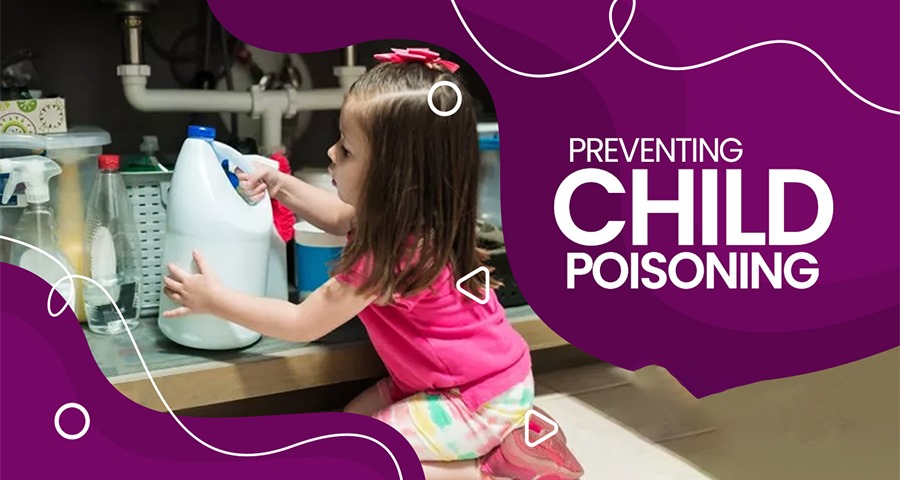
10 TIPS FOR PREVENTING CHILD POISONING

Poison can be simply defined as a substance that causes injury, illness, or death when introduced into the human body or absorbed by an organism. Poisoning can occur via inhalation, absorption through the skin, ingestion through the mouth or injection into the bloodstream. Most poisonings are accidental and often occur as a result of ingestion of drugs, chemicals or exposure to harmful substances. Unintentional poisoning is one of the leading causes of injury to children. Children, especially those less than five years old, are major victims of accidental poisonings because they are naturally curious, are often attracted to bright and shiny objects, and have a high tendency to put things in their mouths first. Poisoning is a preventable injury and we have a few tips to help you ensure that you are doing the best to keep your children safe. TIPS 1. Store all medications–both non-prescription and prescription–in a designated cabinet with child-proof locks, far out of the reach of children. 2. Never refer to your child’s medications as ‘candy’ or ‘juice’; they might end up taking an overdose in your absence. It is also safer to avoid taking medications in front of them so they do not copy your actions. 3. Ensure that you administer the right dose of all medications and when you are unsure, call your doctor to confirm before giving the drugs. 4. Clean the medicine cabinet periodically and safely dispose of unneeded and outdated medicines. 5. Ask guests to keep any purse, bag or coat containing medication away and out of sight while they are in your home. 6. Store cleaning supplies, insecticides, bleach, liquid detergent, mouthwash, cologne, perfume, hairspray, and other chemical agents, clearly marked as poisonous, out of reach. 7. When the products mentioned above are in use, never let your child out of sight, even if it means taking the child or the product along when you have to pick up a phone call or answer the door. 8. Leave all chemicals in their original containers and do not use similar containers to store water or juice for the kids. Likewise, do not use old juice or milk bottles to store chemicals. 8. Lamp oil can be very toxic if ingested by children, so do not put decorative lamps and candles that contain lamp oil where children can reach them. 10. Households with children should never use loose bait, loose pellet rodent control products, laundry pods or other such materials that are easy to pick up and ingest.

PROTECTING THE EAR

Your ears are responsible for transmitting and receiving sounds, maintaining body balance, enhancing healthy interpersonal relations, and much more. As important as they are, our ears require special care. Here are some helpful tips on how to protect your ears and keep them healthy. • Clean your outer ears only: To keep the ears clean, you only need to clean the outer parts. Clean with water, gentle soap, and a washcloth. Also, wipe the outer curves with cotton swabs. • Never stick objects in your ears: A clean ear is not wax-free. The ear is a self-cleaning organ, designed to have some wax to prevent dust and other possibly harmful substances from entering the ears. Left alone, old earwax will naturally fall out due to jaw movement. Do not stick cotton swabs, Q-tips, or sharp or pointed objects in your ear canal. Some of these objects may push the earwax further in, rather than removing it, leading to blockage, ear trauma, and hearing loss eventually. If there is a buildup of earwax in your ear, seek professional help to remove it. Maintain a healthy diet: Several studies show how different foods are crucial to your hearing. The right food will contribute to your body’s immunity against age-related hearing loss, so practice sound dietary habits today, with adequate fruits, vegetables, nuts, and proteins. • Mind your meds: Some medications may cause temporary or permanent hearing loss. Use medications only as prescribed by a doctor, be sure to read up on the side effects and watch out for any adverse reactions. Discontinue use and seek immediate medical assistance if you observe hearing loss or develop constant noise in your ears while on any medication. • Protect against infections: Moisture in the ear canal and piercings in the earlobes are likely breeding grounds for infection-causing bacteria. To protect against these infections, always dry your ears with a clean dry towel after showering or swimming. Routine cleaning of ear piercings and earrings with rubbing alcohol is also advised. • Avoid loud noise: The level of noise and duration of exposure to it is a factor in hearing loss. To protect your ears, we recommend using ear/headphones for a maximum of one hour daily at 60% volume. Wear hearing protection during exposure to loud levels of noise while mowing the lawn, at a shooting range, at a sporting event, etc. • Employ safety: Always wear protective helmets while engaging in any activity that may put you at risk of head or ear injuries. Change in pressure levels inside the ear is potentially harmful, so use earplugs or practise swallowing and yawning often during air travel, especially during takeoff and landing. Not understanding what other people say and answering inappropriately, difficulty hearing during conversations, ear pain, and frequent hums/noise within your ears or head are just a few of the tell-tale signs of imminent hearing problems. Seek medical advice when you experience any of these. Proper ear care will improve your overall health. Start today. Improve the quality of your life by taking adequate care of your ears.

MAINTAINING A HEALTHY HOME: THE KITCHEN

Good preventive medicine – the practical steps one should take to avoid disease and injury – starts with maintaining a safe and healthy home for you and your family. Humans interact with the environment constantly; so, maintaining a healthy environment is central to maintaining and improving the quality of life. Your home should be a haven of comfort and safety. However, there are unseen dangers that may threaten your family's well-being. Chemicals, germs, viruses, and other pests can do you harm if left unchecked. In this edition, we'll share a few tips on what you can do to create or improve a healthy environment in your kitchen. Everyone drifts in and out of the kitchen at various times of the day; it is one of the central areas in a home. It's also a major target area; practically every surface is a magnet for bacteria, viruses, germs, roaches, and other pests. Sponges/Dish Towels The sponge can hold mould, as well as thousands of germs and food-borne pathogens if not cleaned or stored properly. Cloth dish towels can also harbour unhealthy microorganisms, even if they are only used for drying clean dishes. Health Tips: Place the sponge in the dishwasher with the drying cycle on or get it wet and put it in the microwave to sanitize. Wash dish towels often, using the hot cycle of your washing machine. Cutting Board: Never cut vegetables or fruit on the same cutting board that you use to slice raw meat, unless you thoroughly clean it between chops. Keeping veggies and raw meat separated will avoid cross-contamination and the possible spread of salmonella, E. coli, and other bacteria. Health Tip: For added safety and peace of mind, have two cutting boards – one for raw meat and one for fruits, vegetables, and everything else. Keep all surfaces cleaned and sanitized after you cook. This extra step will help eliminate food bacteria such as campylobacter (a common cause of diarrhoea) and will discourage roaches from feasting on the leftovers. These household pests carry a number of germs and can also trigger asthma and allergies. Health Tip: Sanitize the counter after wiping down with soap and water; one teaspoon of chlorine bleach for every 4 cups of water will do the trick. This extra step will help kill any remaining germs. Extra Tips: 1) Keep a lid on possible roach infestation by washing dishes immediately after meals. 2) Store food in tightly sealed containers. 3) Keep trash in a container with a top on it.