LoveWorld Medicaid
Wellness & Lifestyle

Healthy Living Tips

Expert health guidance, wellness advice and lifestyle tips to help you and your community thrive every day.

17
Articles
Free
Always Free
Daily
New Content
  • Home
  • Healthy Living
Become a Volunteer

Tips for a Healthier Life

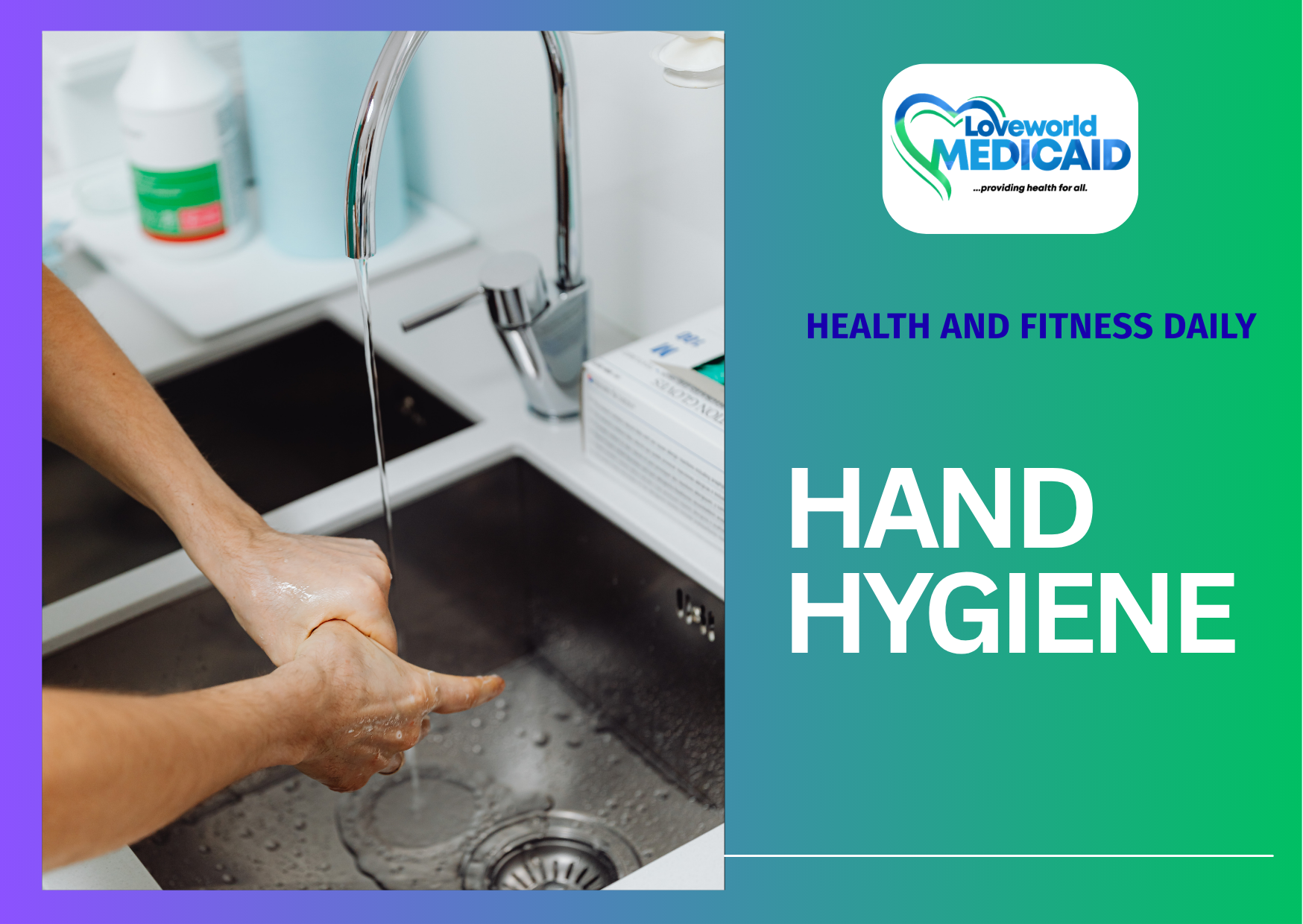
WASH AWAY GERMS, STAY CLEAN

Hand hygiene is one of the simplest and most effective ways to prevent the spread of infections and protect overall health. Regularly washing hands with soap and clean water, or using an alcohol-based hand sanitizer, helps remove germs that can cause illness.1. Prevents the Spread of InfectionsProper hand hygiene reduces the transmission of bacteria and viruses that cause common illnesses such as colds, flu, diarrhea, and respiratory infections. The World Health Organization emphasizes that clean hands are a key step in disease prevention.2. Protects Vulnerable IndividualsClean hands help protect children, the elderly, and people with weakened immune systems who are more susceptible to infections.3. Reduces Healthcare-Related IllnessesIn healthcare and community settings, proper hand hygiene lowers the risk of cross-contamination and healthcare-associated infections.4. Promotes Personal and Public HealthRegular handwashing helps maintain personal cleanliness while also protecting others by reducing the spread of harmful germs in homes, schools, and workplaces.5. Encourages Healthy HabitsPracticing hand hygiene daily builds a lifelong habit that contributes to overall hygiene and disease prevention.Hand hygiene is a simple action with powerful results. Washing your hands regularly—especially before eating and after using the restroom—can significantly reduce illness and keep both individuals and communities healthier.Clean hands, healthy You!   

RUN YOUR WAY TO A HEALTHIER YOU!

Running is one of the simplest and most effective forms of physical exercise. It requires minimal equipment, can be done almost anywhere, and offers numerous physical, mental, and emotional health benefits. Whether done at a slow jog or at a higher intensity, running strengthens the body and improves overall well-being.1. Improves Heart HealthRunning strengthens the heart and improves blood circulation. It helps lower blood pressure, reduce bad cholesterol levels, and increase good cholesterol. Regular running significantly reduces the risk of heart disease and stroke. The American Heart Association recommends aerobic activities like running to maintain cardiovascular health.2. Supports Healthy Weight ManagementRunning burns a high number of calories, making it effective for weight loss and maintaining a healthy body weight. It boosts metabolism and helps the body burn fat more efficiently, especially when combined with a balanced diet.3. Strengthens Muscles and BonesRunning engages multiple muscle groups, including the legs, core, and back. It also improves bone density, reducing the risk of osteoporosis and bone-related conditions as the body ages.4. Boosts Mental Health and Reduces StressRunning stimulates the release of endorphins, often called “feel-good hormones,” which help reduce stress, anxiety, and symptoms of depression. Many people experience improved mood and mental clarity after a run.5. Improves Lung Capacity and EnduranceRegular running enhances lung function by improving oxygen intake and circulation. Over time, this increases stamina and allows the body to perform physical activities more efficiently.6. Strengthens the Immune SystemModerate, consistent running helps the body fight infections by improving immune response. According to the World Health Organization, regular physical activity plays a key role in preventing many lifestyle-related diseases.7. Enhances Sleep QualityPeople who run regularly often experience deeper and more restful sleep. Physical activity helps regulate sleep patterns and reduces insomnia.8. Improves Energy Levels and ProductivityRunning increases blood flow and oxygen supply to the brain, helping improve concentration, alertness, and daily productivity.Running is a powerful, low-cost way to improve overall health. With consistent practice, it strengthens the heart, builds endurance, supports mental wellness, and promotes a longer, healthier life. Even short daily runs can make a significant difference in physical and emotional well-being.  

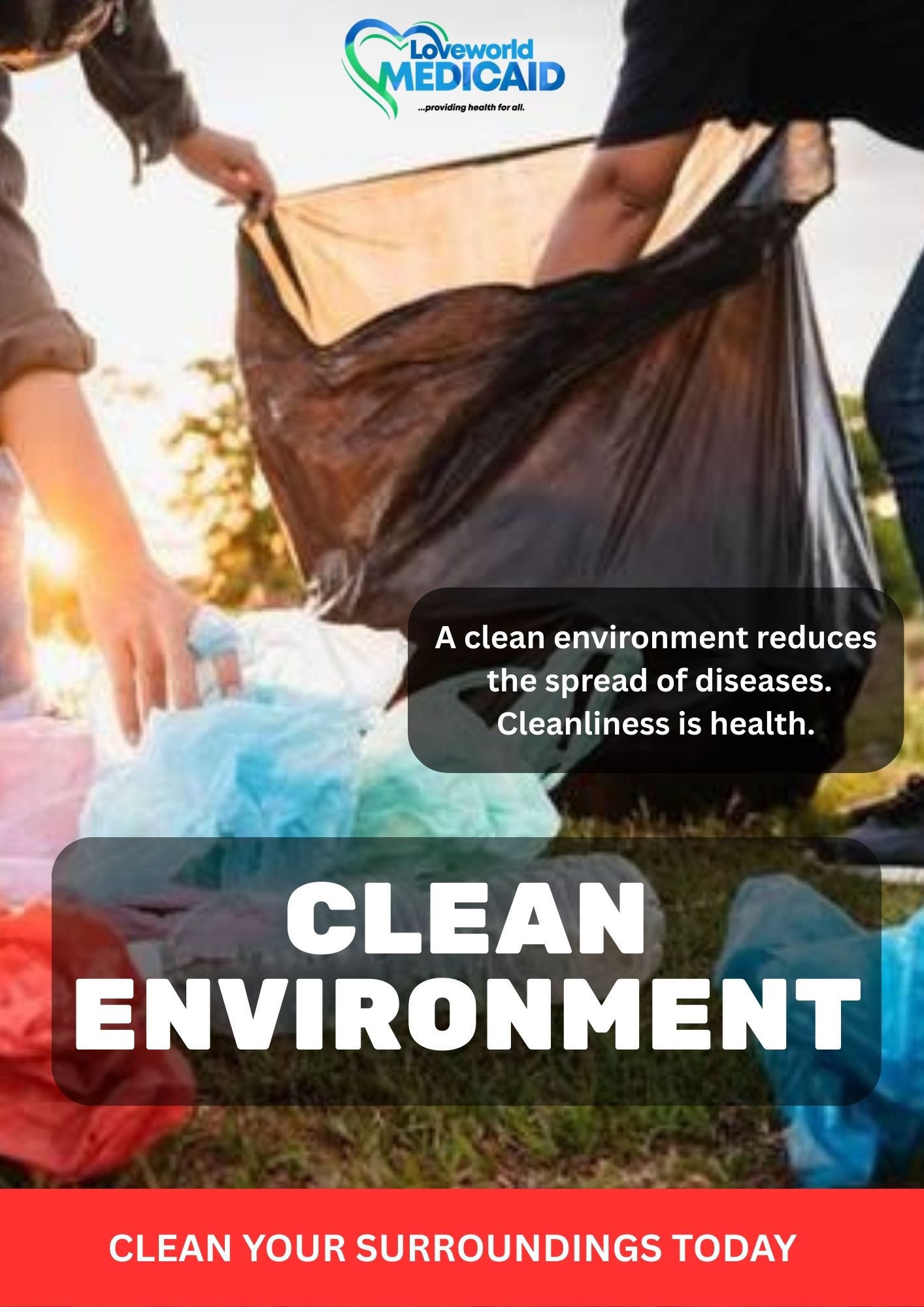
CLEAN ENVIRONMENT = HEALTHY LIVING

A clean environment is essential for healthy living and sustainable development. It refers to surroundings that are free from pollution, waste, and harmful substances, ensuring that air, water, and land remain safe for humans, animals, and plants. Maintaining a clean environment is a shared responsibility that requires conscious efforts from individuals, communities, organizations, and governments.Importance of a Clean Environment1. Protects Human HealthA clean environment reduces exposure to harmful pollutants and disease-causing organisms. Proper waste disposal and sanitation help prevent illnesses such as respiratory infections, waterborne diseases, and skin conditions. According to the World Health Organization, environmental factors significantly influence public health outcomes.2. Improves Air and Water QualityClean surroundings help maintain fresh air and safe drinking water. Reducing smoke, chemical emissions, and improper waste dumping prevents contamination and promotes healthier living conditions.3. Preserves Natural ResourcesEnvironmental cleanliness encourages responsible use of natural resources such as water, soil, and forests. This helps ensure that future generations can also benefit from these resources.4. Supports Ecosystem BalanceA clean environment protects plants and wildlife by reducing habitat destruction and pollution. The United Nations Environment Programme emphasizes that environmental protection is key to maintaining biodiversity and ecological stability.5. Enhances Quality of LifeClean surroundings create a safer, more pleasant place to live and work. Proper sanitation and waste management improve comfort, productivity, and community pride.Ways to Maintain a Clean EnvironmentDispose of waste properly and avoid littering.Reduce, reuse, and recycle materials.Keep homes, workplaces, and public areas clean.Avoid burning waste and reduce air pollution.Promote community sanitation and environmental awareness.A clean environment is not just about appearance—it is vital for health, safety, and sustainability. Small daily actions can make a big difference in protecting our environment and securing a healthier future for all.Remember, a cleaner place, a better place. 

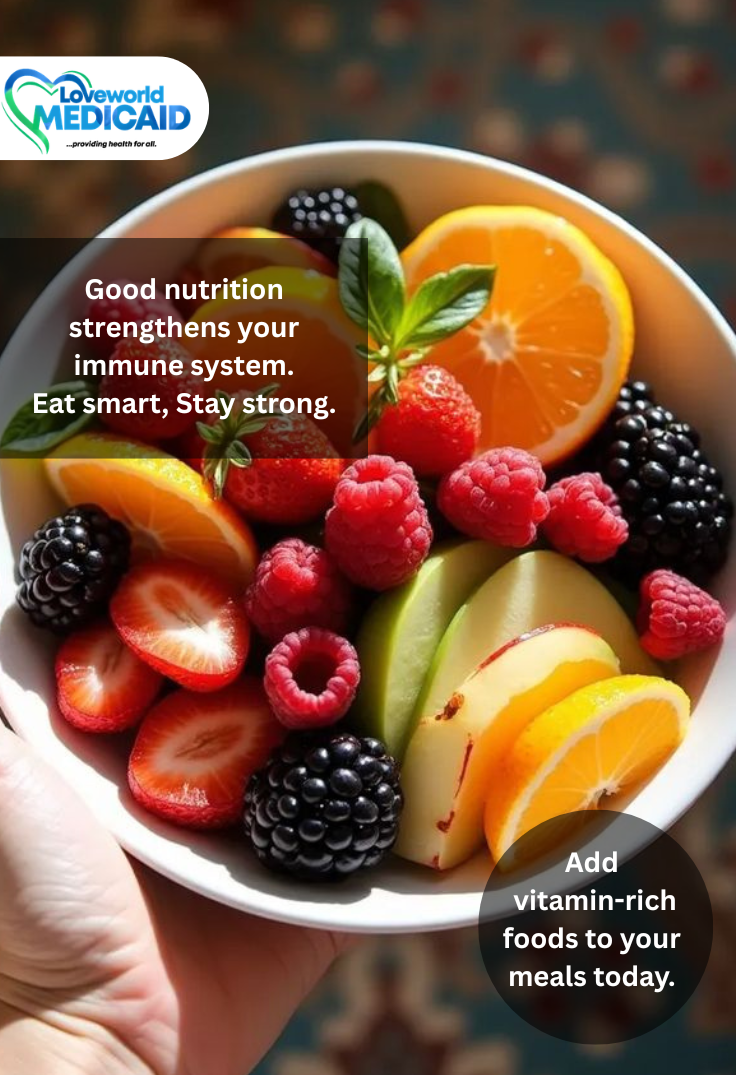
GOOD NUTRITION, GOOD LIFE

Good nutrition is the foundation of a healthy, productive, and fulfilling life. The food we eat provides the essential nutrients our bodies need to function properly, grow, repair tissues, and maintain overall well-being. A balanced diet made up of carbohydrates, proteins, healthy fats, vitamins, minerals, and adequate water supports both physical and mental health in numerous ways.1. Boosts Energy LevelsProper nutrition supplies the body with the fuel it needs for daily activities. Complex carbohydrates, healthy fats, and proteins help maintain steady energy levels, preventing fatigue and improving productivity throughout the day.2. Strengthens the Immune SystemA nutrient-rich diet enhances the body’s natural defense system. Vitamins such as A, C, and E, along with minerals like zinc and iron, help the body fight infections and recover faster from illness.3. Supports Healthy Growth and DevelopmentGood nutrition is essential at every stage of life, especially for children and adolescents. Adequate intake of nutrients supports proper bone development, brain function, and overall physical growth.4. Improves Brain Function and Mental HealthHealthy foods contribute to better concentration, memory, and mood stability. Nutrients like omega-3 fatty acids, B vitamins, and antioxidants help protect brain cells and reduce the risk of mental fatigue and stress-related conditions.5. Promotes Healthy Weight ManagementBalanced nutrition helps regulate metabolism and prevents excessive weight gain or unhealthy weight loss. Eating appropriate portions and nutrient-dense foods reduces the risk of obesity and related health complications.6. Reduces Risk of Chronic DiseasesGood nutrition lowers the risk of long-term conditions such as heart disease, diabetes, high blood pressure, and certain cancers. Diets rich in fruits, vegetables, whole grains, and lean proteins help maintain healthy body systems.7. Enhances Skin, Hair, and Overall AppearanceNutrients like vitamins A, C, and E, along with adequate hydration, support healthy skin and hair. Proper nutrition helps the body repair damaged tissues and maintain a natural, healthy glow.8. Supports Strong Bones and TeethCalcium, vitamin D, and phosphorus play a major role in maintaining strong bones and teeth, reducing the risk of fractures and dental problems.Good nutrition is not just about eating to satisfy hunger—it is about nourishing the body for strength, resilience, and long-term health.Making healthy food choices daily can improve quality of life, prevent diseases, and support both physical and mental well-being.  

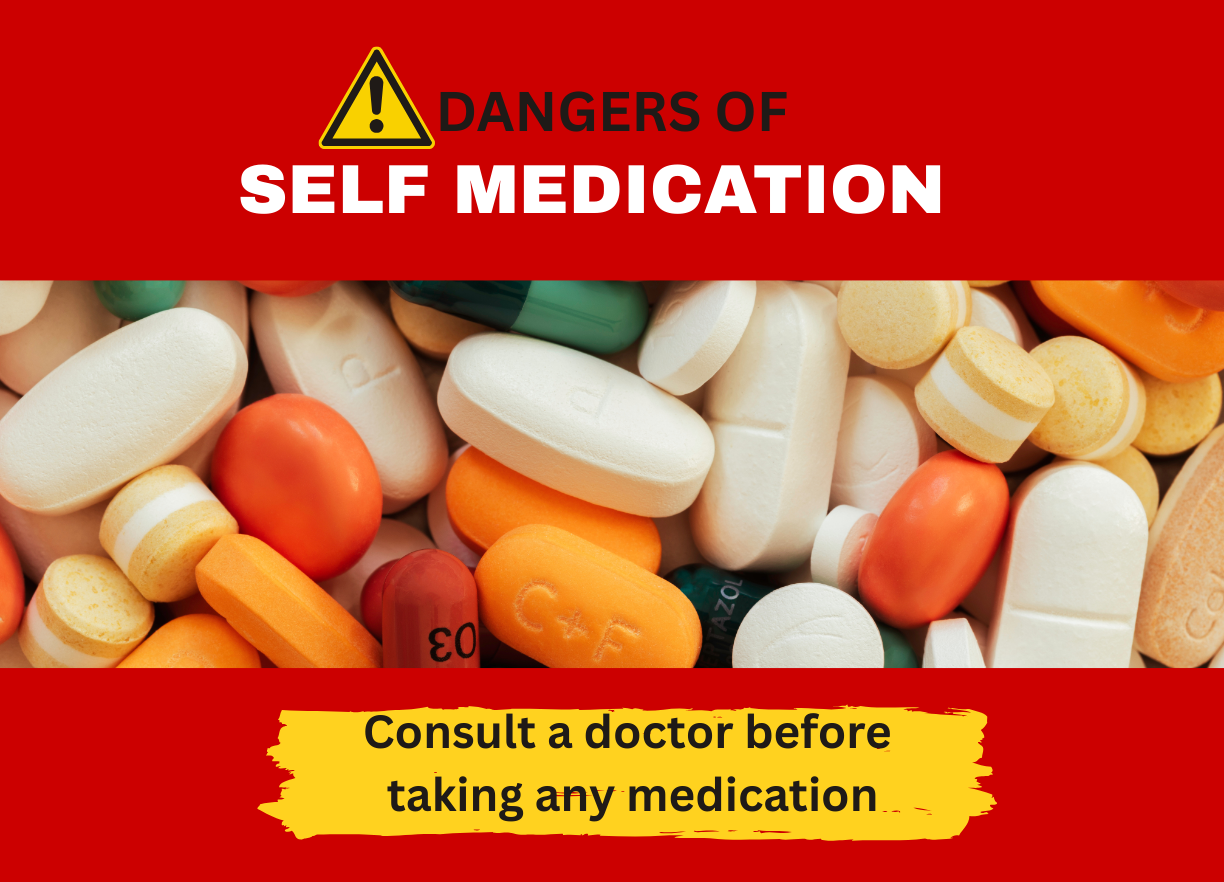
DO NOT TAKE CHANCES- SELF-MEDICATION CAN HARM

Self-medication is the practice of using drugs, herbs, or home remedies to treat self-diagnosed illnesses without consulting a qualified healthcare professional. Self-medication isn’t self-care. While it may seem convenient, cheap, or time-saving, self-medication carries serious health risks that can lead to complications, long-term damage, or even death.1. Misdiagnosis of the IllnessMany diseases share similar symptoms. For example, fever could be caused by malaria, typhoid, viral infection, or something more serious. Treating the wrong illness delays proper care and may worsen the actual condition.Without proper laboratory tests and medical evaluation, it is easy to mistake a minor symptom for a simple illness when it could be a serious underlying disease.2.Drug ResistanceOne of the biggest global concerns today is antimicrobial resistance. When people misuse antibiotics by taking the wrong type, wrong dose, or stopping halfway, bacteria become resistant.Antibiotic resistance is making common infections harder to treat. In countries like Nigeria, where antibiotics are often purchased without a prescription, this risk is even higher.Drug resistance can make future infections more difficult and expensive to treat.3. Incorrect DosageTaking too much medication can cause toxicity, while taking too little may not treat the illness effectively.Overdosing on painkillers can damage the liver or kidneys.Taking excessive anti-malarial drugs can cause serious side effects.Underdosing antibiotics promotes resistance.Without medical guidance, dosage mistakes are common.4. Dangerous Drug InteractionsSome medications should not be taken together. Mixing drugs without professional advice can cause harmful reactions.For example:Combining certain painkillers can cause stomach bleeding.Mixing herbal remedies with prescription drugs may reduce effectiveness or increase toxicity.Some medications interact with alcohol and can be life-threatening.Only a healthcare professional can properly evaluate safe combinations.5. Masking Serious ConditionsSelf-medication may temporarily relieve symptoms while hiding a more serious disease.For example:Repeatedly treating headaches with painkillers may mask high blood pressure.Frequent use of antacids could hide ulcers or stomach cancer.Treating recurring fever without testing may delay diagnosis of chronic infections.Early diagnosis often saves lives.6. Allergic ReactionsSome individuals are allergic to specific medications. Without prior medical assessment, taking a new drug can cause:Skin rashesSwelling of the face or throatBreathing difficultySevere reactions (anaphylaxis)In extreme cases, allergic reactions can be fatal if not treated immediately.7. Dependency and AbuseFrequent self-use of certain drugs especially painkillers, sedatives, and cough syrups can lead to dependency or addiction.This can result in:Increased tolerance (needing higher doses)Withdrawal symptomsMental health complications8. Financial BurdenAlthough self-medication seems cheaper initially, complications from wrong treatment often lead to hospitalization and higher medical expenses in the long run.9. Special Risk for Vulnerable GroupsSelf-medication is particularly dangerous for:1)Pregnant women2)Children3)Elderly individuals4)People with chronic illnessesImproper medication in these groups can cause severe complications.Why People Self-MedicateCommon reasons include:<Easy access to drugs without a prescription<Previous experience with similar symptoms<Financial constraints<Long hospital waiting times<Advice from friends or familyHowever, convenience should never replace proper medical consultation.Self-medication may appear harmless, but it can lead to misdiagnosis, drug resistance, organ damage, addiction, and even death. Seeking professional medical advice ensures accurate diagnosis, correct dosage, and safe treatment.Your health is too valuable to gamble with. 

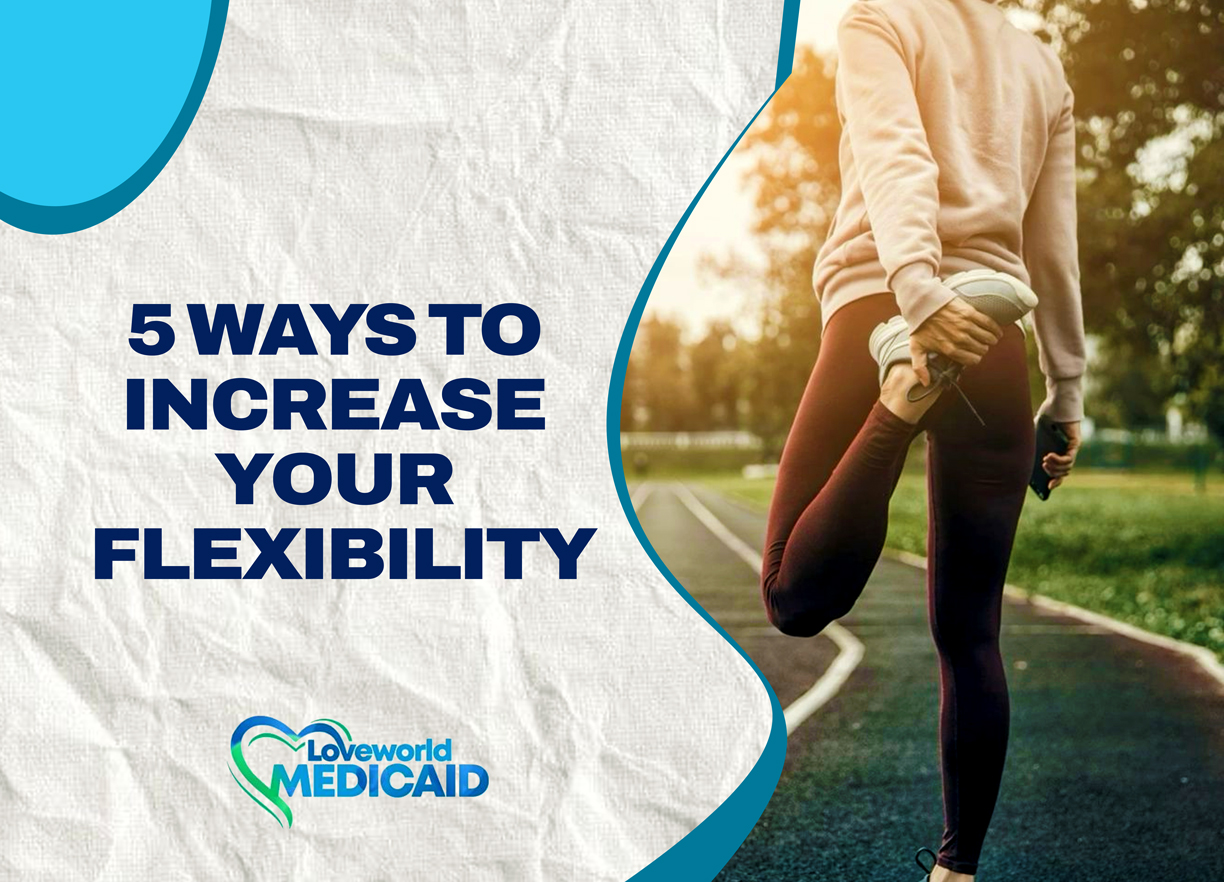
STAY FLEXIBLE, STAY STRONG

Flexibility is the ability of your muscles and joints to move through their full range of motion. Improving flexibility reduces the risk of injury, eases muscle tension, improves posture, and enhances overall physical performance. Whether you’re an athlete or simply want to move more comfortably, these five strategies can help.1. Stretch Consistently (Not Occasionally)Consistency is key. Stretching once in a while won’t produce lasting results. Aim to stretch at least 3–5 times per week.Static stretching (holding a stretch for 20–30 seconds) improves long-term flexibility.Focus on major muscle groups: hamstrings, calves, hip flexors, shoulders, and lower back.Stretch to the point of mild tension — not pain.Over time, regular stretching encourages your muscles to lengthen and adapt safely.2. Warm Up Before StretchingCold muscles are less flexible and more prone to injury. Always begin with 5–10 minutes of light activity, such as brisk walking, jogging in place, or jumping jacks, before deep stretching.Warming up increases blood flow, raises muscle temperature, and prepares your body for safer, deeper stretches.3. Incorporate Dynamic MovementsDynamic stretching involves controlled movements that gently take your joints through their range of motion.Examples include:<Arm circles<Leg swings<Hip rotations<Walking lungesThese movements improve mobility, coordination, and functional flexibility — especially before workouts or sports.4.  Stay Hydrated and Support Muscle RecoveryHydration affects muscle function. Dehydrated muscles are more prone to tightness and cramping. Drink enough water daily, especially if you exercise.Additionally:<Get adequate sleep<Allow recovery time between intense workouts<Use foam rolling or massage to release muscle tensionHealthy muscles recover better, and flexible muscles recover faster.Important Tips:<Never bounce aggressively while stretching (this can cause injury).<Breathe deeply and steadily during stretches.<Progress gradually — flexibility improves over time, not overnight.Flexibility is not about extreme splits or advanced poses. It’s about moving freely, comfortably, and without pain. With consistency, patience, and proper technique, your body will gradually become more mobile and resilient.  

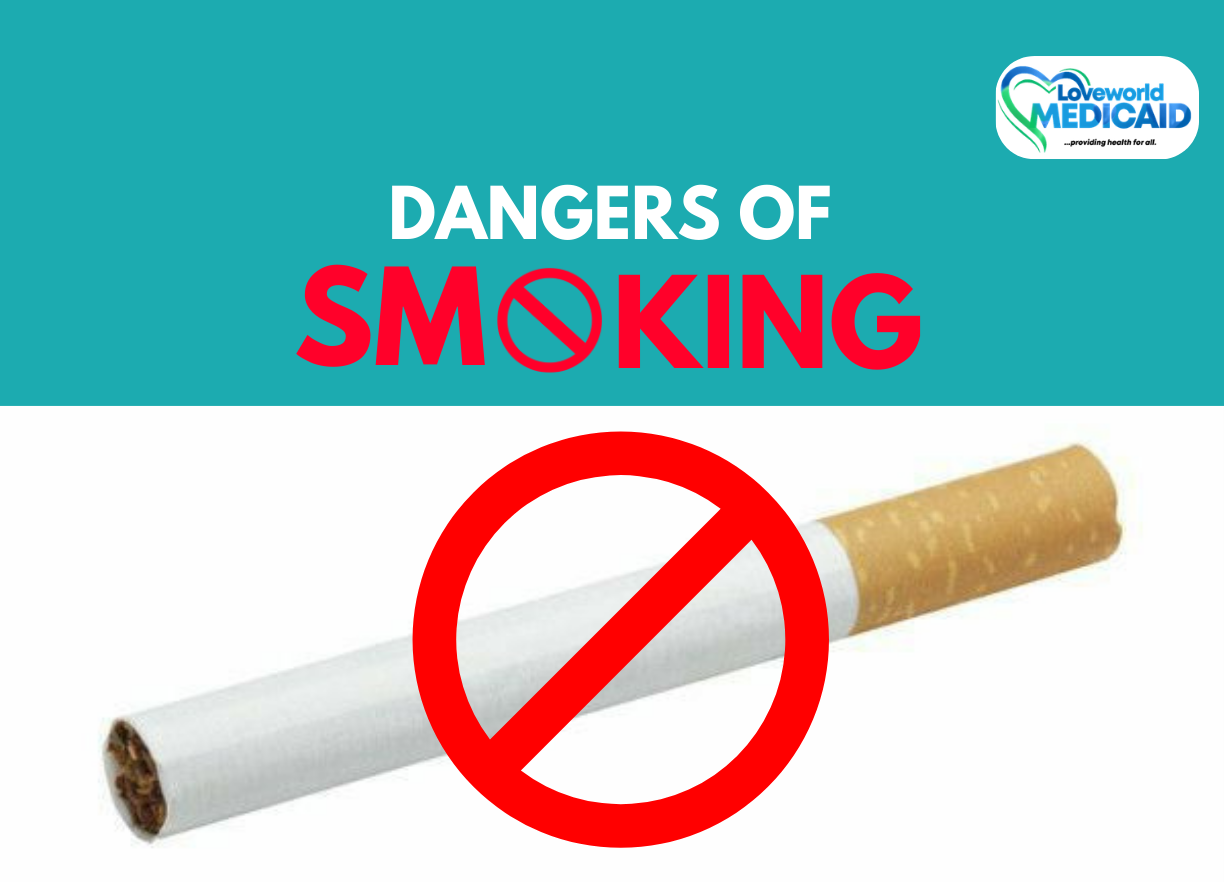
QUIT SMOKING TODAY!

Smoking is one of the leading causes of preventable illness and death worldwide. Every cigarette contains thousands of harmful chemicals, many of which are toxic and carcinogenic. While the effects may not be immediately visible, smoking gradually damages nearly every organ in the body.1. Damage to the LungsThe lungs are the primary organs affected by smoking. Inhaled smoke irritates and inflames the airways, leading to:Chronic cough, shortness of breath, increased mucus production, and reduced lung capacityLong-term smoking can cause chronic obstructive pulmonary disease (COPD), emphysema, and lung cancer. Over time, the lungs lose their ability to efficiently exchange oxygen, making even simple activities exhausting.2. Increased Risk of CancerSmoking significantly increases the risk of several types of cancer, including:<Lung cancer<Throat cancer<Mouth cancer<Oesophageal cancer<Pancreatic cancerThe harmful chemicals in tobacco damage DNA and weaken the body’s ability to repair itself, allowing abnormal cells to grow uncontrollably.3. Heart and Blood Vessel DamageSmoking affects the cardiovascular system by:<Narrowing blood vessels<Raising blood pressure<Increasing heart rate<Reducing oxygen supplyThis greatly increases the risk of heart attacks, stroke, and peripheral artery disease. Smokers are much more likely to suffer sudden cardiac events compared to non-smokers.4, Harm to Others (Second hand Smoke)Smoking not only harms the smoker. Second-hand smoke exposes family members, children, and coworkers to dangerous chemicals. It increases the risk of asthma, respiratory infections, heart disease, and sudden infant death syndrome (SIDS) in babies.No level of second-hand smoke exposure is safe.5. Effects on Appearance and Overall, HealthBeyond internal damage, smoking also:<Causes premature aging and wrinkles<Stains teeth and fingers<Weakens the immune system<Slows wound healing<Reduces fertility in both men and womenSmokers often experience lower energy levels and decreased physical performance.6. Addiction and Mental Health ImpactNicotine is highly addictive. It alters brain chemistry, creating dependency that makes quitting difficult. While some believe smoking reduces stress, it actually increases anxiety and withdrawal symptoms between cigarettes.The Good News: Quitting WorksThe body begins to heal almost immediately after quitting:<Within hours, heart rate improves.<Within weeks, lung function increases.<Over time, the risk of heart disease and cancer decreases significantly.It is never too late to stop. Quitting smoking improves quality of life, protects loved ones, and adds years to your lifespan.Smoking may seem like a habit, but its consequences are life-threatening. Protect your lungs. Protect your heart. Protect your future.Choose health. Choose life. Quit today.

PREVENT RASHES - MAINTAIN YOUR GLOW

Your skin is your body’s first line of defense. When it isn’t properly cared for, sweat, dirt, bacteria, and irritants can build up — leading to itching, redness, inflammation, and painful rashes. Maintaining good skin hygiene is one of the simplest and most effective ways to prevent these problems.1. Bathe Regularly — But GentlyDaily bathing helps remove sweat, oil, and dirt that clog pores and irritate the skin. Use mild, fragrance-free soap and lukewarm water. Harsh soaps and very hot water can strip your skin of its natural oils, making it dry and more prone to rashes.2. Dry Your Skin ProperlyMoisture trapped in skin folds (underarms, groin, under the breasts, between toes) creates a perfect environment for fungal and bacterial infections. After bathing, gently pat your skin dry with a clean towel; don’t rub aggressively.3. Wear Clean, Breathable ClothingTight or sweaty clothing can trap heat and moisture, leading to heat rashes and irritation. Choose loose-fitting clothes made from breathable fabrics like cotton. Change out of sweaty clothes as soon as possible.4. Moisturize to Protect the Skin BarrierDry, cracked skin is more vulnerable to irritation and infection. Apply a gentle, non-comedogenic moisturizer after bathing to keep your skin hydrated and strengthen its natural protective barrier.5. Avoid Sharing Personal Items:Sharing towels, clothes, or razors can spread bacteria and fungi that cause skin infections and rashes. Always use clean, personal hygiene items.6. Be Mindful of New Products:New creams, perfumes, or detergents may cause allergic reactions. If you notice itching or redness after using a new product, stop immediately and switch to hypoallergenic options.7. Keep Nails Short and CleanScratching irritated skin can break the surface and introduce infection, worsening rashes. Keeping nails short reduces skin damage if itching occurs.When to See a Healthcare ProfessionalIf a rash is severe, painful, spreading quickly, producing pus, or not improving after a few days, seek medical advice. Some rashes may require prescription treatment.Healthy skin starts with simple daily habits. Clean skin is protected skin — and protected skin stays rash-free.

DON’T LOOK AT SCREENS IN THE DARK

Every day, you are surrounded by amazing technology that enables you to work, learn, play, and connect with others in ways that were once impossible. This has led to new ways of living, working, and earning, and the possibilities are endless. However, with the advent of a technology-driven world with digital screens everywhere, gazing at them excessively has become a norm. From using mobile devices and laptops/ desktops, looking at screens while walking to watching the news or your favorite movies on TV, and staring at LED screens on various gadgets and devices, the average person spends about seven hours looking at screens. This average gets to as much as 15 hours daily for gamers, creatives, administrators, programmers, CCTV operators, and others who need computers for work. Digital devices emit blue light, a high-energy light that can be harmful to the eyes with prolonged exposure, and has been known to cause dry eyes, blurry vision, teary or watery eyes, migraine headaches, anxiety, and even loss of vision. Additionally, blue light exposure suppresses the production of melatonin – the hormone that regulates sleep cycles – and may cause poor sleep patterns and increase the risk of conditions like obesity, heart disease, stroke, and depression. The harmful effects of exposure to blue light are multiplied when it happens in the dark. Some studies show that staring at your phone in the dark for as little as 30 minutes may cause irreversible macular degeneration. So, while it’s convenient to use your phone under the sheets or create an ambiance with the lights off or dimmed as you watch TV late at night, one must be mindful of what effects these choices may have on the body. Avoid using screens in dark places as much as possible, and consider these tips to help you reduce screen time overall. • Set reminders to give your eyes a break. Practice the 20-20-20 rule: every 20 minutes, look away from all screens and focus on an object 20 feet away for 20 seconds. This helps to refresh the eyes and improve focus. You can set reminders on your devices for this exercise every day. Another exercise is to learn to blink often. This lubricates and cleans your eyes with tears, and protects against bright light, dust, and other irritants. • Tone down the glare. Nearly all communications devices have an in-built adaptive brightness feature that automatically reduces the intensity of light it emits, depending on the amount of light in the environment. You can also use the blue light filter or eye protection setting to reduce blue light emission and eye strain. • Use blue-light-blocking glasses and/or screen protectors. These filter out harmful blue light while allowing other wavelengths to pass through. By wearing these glasses or applying a screen protector, you reduce your exposure to blue light and protect your eyes. • Use Nighttime Settings: Nowadays, many electronic devices also have a “night mode” option that reduces blue light at the set time, thus protecting your eyes from potential damage and promoting better sleep. Stay away from all digital devices (computers, cell phones, etc.) at least one hour before bedtime. • Keep A Healthy Distance: For all screens, maintain an efficient distance that is comfortable for your eyes. For instance, consider keeping your mobile device at arm’s length and place your computer at an angle that makes you look downward to see it. • Work in a well-lit room: Forcing your eyes to constantly adjust to varying degrees of brightness can cause strain. By properly lighting up the room, you eliminate that discomfort and prevent eye fatigue. Also, remember to continuously speak God’s Word to your body. Drink a lot of water, eat healthy, and exercise. These work wonders for your overall health and your eyes. For more health tips, watch Healthy Living on Healing Streams TV. Find past episodes in the ‘video on demand’ section – www.healingstreams.tv.


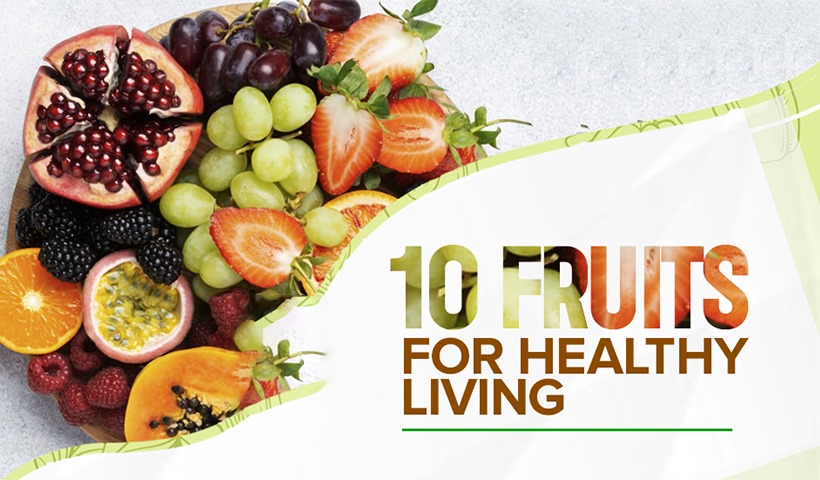
10 FRUITS FOR HEALTHY LIVING

A healthy, balanced diet consists of a variety of food types that provide adequate nutrients necessary for good health. One type of food needed in a healthy diet is fruits, which are rich in minerals and vitamins. Forget supplements and fancy superfoods, these ten fruits are power-packed for a healthier you. 1. Peaches & nectarines: Two small peaches or nectarines have more potassium than one medium banana. Potassium boosts nerves and muscle health. The skins of peaches also provide a great source of antioxidants. 2. Pineapples: Regardless of how it’s prepared or served, this tropical fruit is chock-full of bromelain, a powerful anti-inflammatory enzyme that reduces the risk of heart attacks and strokes. 3. Grapes: A little grape bulb (preferably red/purple) contains potassium and iron, which help prevent cramps and anemia. Grapes are also proven to be heart-healthy; they help prevent heart disease and lower cholesterol levels due to the large amounts of antioxidants like quercetin and resveratrol they contain. We recommend that you opt for organically cultivated grapes, rather than genetically modified seedless ones. 4. Kiwis: These are low-calorie, high-fiber, easy snacks that are great for weight loss. Loaded with vitamins C and E, kiwis help protect against cancer and improve optical health. 5. Mangoes: Mangoes are more popular than ever due to their high levels of beta-carotene, which the body converts into vitamin A to promote bone growth and a healthy immune system. Even more, mangoes have over fifty per cent of the daily vitamin C requirement. 6. Apples: Possibly the lightest on the calorie counter, apples make a great choice for weight-watchers. They’re also heavy on quercetin, which shields against brain cell degeneration and reduces the risk of developing high blood pressure. Apples’ high fiber and vitamin C content also support digestive health and boost immunity. 7. Pomegranates: As a beverage of choice, pomegranate juice contains at least twice the antioxidant capacity of red wine or green tea. It sustains energy and controls blood pressure and cholesterol levels, and improves cardiovascular health. 8. Grapefruits: Orange is a great vitamin C source, but you want grapefruits because bigger is better. Half a grapefruit is a vitamin C powerhouse, and also has high levels of fiber, potassium, and vitamin A. Some studies suggest that grapefruit can alleviate arthritis symptoms and repair damaged or oily skin and hair. 9. Bananas: A banana is the perfect grab-and-go snack, as it’s already wrapped. Its potassium and fiber content promotes long-lasting energy and keeps you alert all day long. Without the fat or salt, bananas are healthier than granola bars or pretzels. 10. Blueberries: Considered a superfood, the vitamin C, anthocyanin, and other antioxidants in blueberries help fight diseases and boost brainpower. According to research, people who eat more blueberries are less likely to develop macular degeneration in later years. For more health tips, watch Healthy Living on Healing Streams TV. Find past episodes in the ‘video on demand’ section – www.healingstreams.tv.

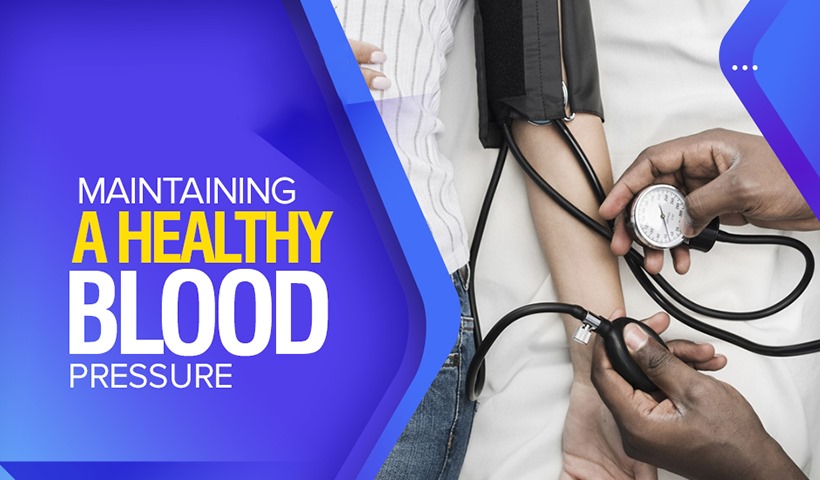
MAINTAINING A HEALTHY BLOOD PRESSURE

Blood pressure is the force of the blood pushing against the wall of the arteries. It is recorded as two numbers, for example, 120/80. The first number (the systolic blood pressure) indicates the pressure in the arteries as the heart squeezes out blood during each beat. The second number (the diastolic blood pressure) indicates the pressure as the heart relaxes before the next beat. Blood doesn’t circulate in an even stream around the body; rather, it travels in a constant series of spurts. Therefore, the pressure peaks in the blood vessels just after a heartbeat and ebbs until the next one. There are no fixed figures that represent a normal blood pressure range. However, somewhere between 110/70 and 125/80 is the average blood pressure for a grown person. Someone with naturally low pressure may be closer to a range of 100/60 though. Blood pressure of 140/90 is considered high but that usually becomes the regular range as a person gets older. Blood pressure higher than 180/110 is considered dangerous. Blood pressure fluctuates throughout the day. When it stays elevated over time, it’s called ‘high blood pressure’. This causes the heart to work harder, putting a person at risk of heart attack, stroke, heart failure, kidney and eye problems, etc. Without any clear symptoms, so many are unaware when they have high blood pressure. A healthy lifestyle is important to help prevent high blood pressure and its associated risks. These tips will help you maintain healthy blood pressure and general well-being: ACHIEVE AND MAINTAIN A HEALTHY WEIGHT: Being overweight increases the risk of developing high blood pressure because pressure rises as the body’s weight increases. Too much fat and cholesterol narrow the arteries, thereby increasing the pressure required to push blood through the heart. USE SALT MODERATELY: High salt content attracts water from body cells into your blood to dilute it. The more fluid in your blood, the harder it is for the heart to pump blood, and the higher the blood pressure. To reduce salt intake, eat plenty of fresh fruits and vegetables; choose low-salt bread and cereals; avoid too much seasoning, processed foods, and fast foods. EAT A WIDE VARIETY OF HEALTHY FOODS: Too many calories and fatty foods put extra strain on the heart. Healthy eating is about choosing plant-based foods such as vegetables, fruits, legumes, grain-based foods (whole grain bread, cereals, pasta, noodles, and rice, etc.), moderate amounts of lean meats, poultry, fish, and reduced-fat dairy products. BE ACTIVE EVERY DAY: Exercise improves heart health and lowers blood pressure and cholesterol by keeping your arteries in good shape. The effects of exercising can last up to 24 hours, and some studies showed about 25% reduced risk of heart disease in subjects who engaged in regular aerobic exercises. At least fifteen minutes of exercise a day is recommended. AVOID ALCOHOL CONSUMPTION: Alcohol taxes the liver and reduces its ability to detoxify the blood, thus causing more oxidizing and damaging substances to remain in circulation where they can harm the blood vessels. For normal blood pressure, avoid alcoholic food and drinks. SPEAK TO YOUR BODY CONSISTENTLY: We put this last to emphasize its importance. Proverbs 15:4 (AMPC) says, “A gentle tongue [with its healing power] is a tree of life…” Your body was created by God’s Word to function flawlessly. With your faith confessions, you can maintain optimal health always, so don’t stop talking to your body. Continuously declare that every organ and system functions according to the perfection of God’s design and you will flourish in health always. For more health tips, watch Healthy Living on Healing Streams TV. Find past episodes in the ‘video on demand’ section – www.healingstreams.tv.
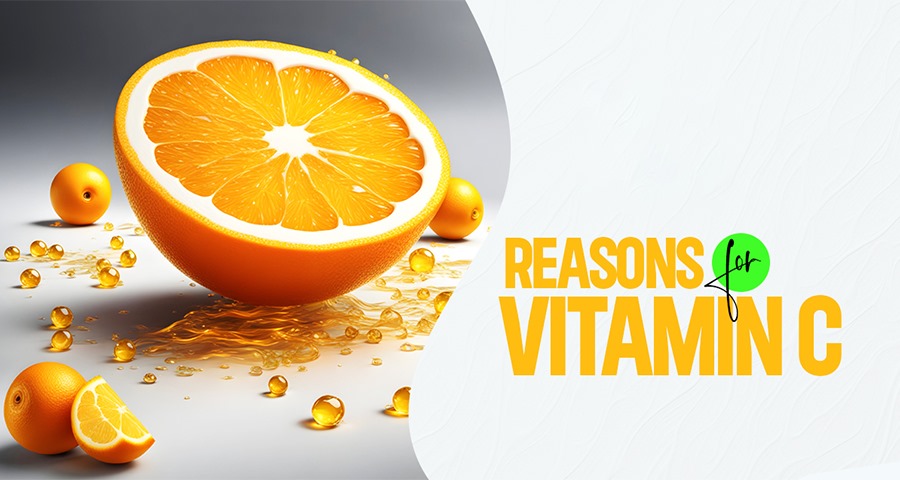
REASONS FOR VITAMIN C

Ascorbic acid, popularly called vitamin C, is a potent water-soluble vitamin renowned for its natural antioxidant, antihistamine, anti-aging, and multiple health-boosting properties. These properties help the body fight off health issues and maintain its peak condition. Whether you are looking to enhance your immune system, improve your skin health, or manage chronic conditions, vitamin C is an essential nutrient with a plethora of benefits. Ensuring you get enough vitamin C through your diet is relatively easy, thanks to the abundance of foods that are rich in this essential nutrient. Citrus fruits like oranges, grapefruits, lemons, and limes are well-known sources, offering a tangy sweetness that can be enjoyed in various forms. Exotic fruits such as kiwi, guava, papaya, and pineapple also pack a significant vitamin C punch. Vegetables are equally important in providing vitamin C. Broccoli, red cabbage, bell peppers, chili peppers, kale, Brussels sprouts, cauliflower, tomatoes, cantaloupe, parsley, white potatoes, and sweet potatoes are just a few examples. Including these in your meals ensures a diverse intake of vitamin C, contributing to overall well-being. The body efficiently manages excess vitamin C by getting rid of what it doesn’t need, so there’s generally no need to concern yourself with sticking to a required daily allowance or consuming too much. Now, a closer look at the health benefits of vitamin C. • Improved Cardiovascular Health and Reduced Risk of Chronic Diseases: Vitamin C protects cells from damage caused by harmful molecules called free radicals. By neutralizing free radicals, vitamin C helps lower the risk of heart disease, cancer, and arthritis. Additionally, it assists in keeping cholesterol levels in check, further promoting cardiovascular health. Vitamin C enhances the production of collagen, which supports blood vessels and overall vascular health. • Blood Pressure and Blood Sugar Management: Vitamin C aids in managing high blood pressure by relaxing the blood vessels, which helps reduce pressure on the vascular system. Furthermore, some studies indicate that vitamin C can help reduce blood sugar levels, providing a supportive role in diabetes management. This dual action on blood pressure and sugar levels underscores the importance of vitamin C in maintaining overall metabolic health. • Enhanced Vision: One of the most remarkable benefits of vitamin C is its contribution to maintaining healthy eyesight. Its antioxidant properties play a vital role in reducing the risk of cataracts and slowing down the progression of age-related macular degeneration. By protecting against oxidative stress, vitamin C helps preserve vision and maintain eye health. • Alleviating Allergies: Vitamin C deficiency can make individuals more susceptible to allergies. Allergies often trigger an immune system response that leads to oxidative stress due to the production of Reactive Oxygen Species (ROS). Vitamin C helps alleviate these effects, potentially reducing symptoms and improving overall comfort. • Immune System Booster: Incorporating vitamin C into your diet supports your body’s immunity by boosting the production of white blood cells. This helps protect the body from infections and illnesses, promoting a robust immune response. Vitamin C also plays a role in maintaining healthy blood and preventing anemia by enhancing iron absorption from plant-based foods. • Skin and Beauty Benefits: Vitamin C is key to maintaining healthy, youthful skin. It protects the skin from environmental irritants and exposure to ultraviolet light, thus preventing wrinkles, fine lines, dryness, and roughness. By increasing collagen production and elastin synthesis, it helps maintain the skin’s firmness and elasticity. Additionally, it inhibits melanin formation, reducing unwanted skin pigmentation and discoloration, and resulting in a more even skin tone. • Additional Health Benefits: Beyond the well-known advantages, vitamin C contributes to maintaining healthy bones, teeth, and cartilage. It reduces the risk of cartilage loss, which is particularly beneficial for individuals dealing with osteoarthritis. Moreover, vitamin C has been shown to enhance cognitive function, increase fertility, relieve stress and anxiety, alleviate gout and asthma, accelerate healing from injuries, and promote overall health. In conclusion, ascorbic acid, or vitamin C, is a vital nutrient with a wide range of benefits and is truly indispensable in significantly contributing to one’s well-being. For more health tips, watch Healthy Living on Healing Streams TV. Find past episodes in the ‘video on demand’ section – www.healingstreams.tv.