

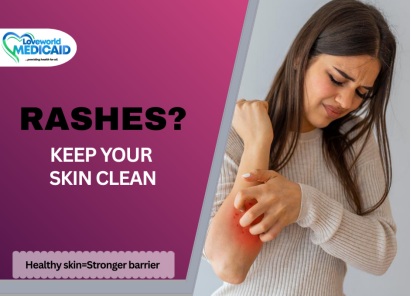
PREVENT RASHES - MAINTAIN YOUR GLOW
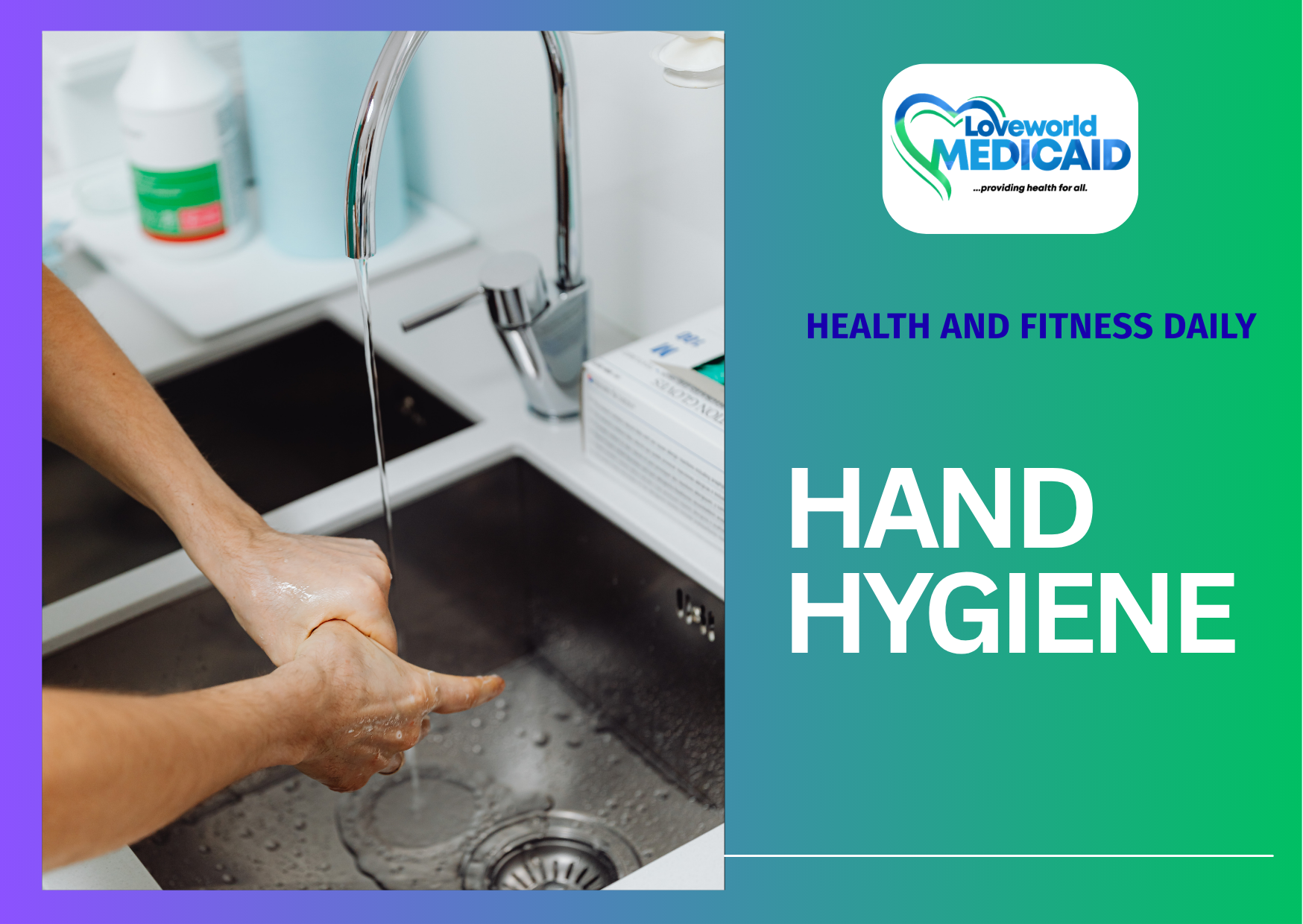
Your skin is your body’s first line of defense. When it isn’t properly cared for, sweat, dirt, bacteria, and irritants can build up — leading to itching, redness, inflammation, and painful rashes. Maintaining good skin hygiene is one of the simplest and most effective ways to prevent these problems.
1. Bathe Regularly — But Gently
Daily bathing helps remove sweat, oil, and dirt that clog pores and irritate the skin. Use mild, fragrance-free soap and lukewarm water. Harsh soaps and very hot water can strip your skin of its natural oils, making it dry and more prone to rashes.
2. Dry Your Skin Properly
Moisture trapped in skin folds (underarms, groin, under the breasts, between toes) creates a perfect environment for fungal and bacterial infections. After bathing, gently pat your skin dry with a clean towel; don’t rub aggressively.
3. Wear Clean, Breathable Clothing
Tight or sweaty clothing can trap heat and moisture, leading to heat rashes and irritation. Choose loose-fitting clothes made from breathable fabrics like cotton. Change out of sweaty clothes as soon as possible.
4. Moisturize to Protect the Skin Barrier
Dry, cracked skin is more vulnerable to irritation and infection. Apply a gentle, non-comedogenic moisturizer after bathing to keep your skin hydrated and strengthen its natural protective barrier.
5. Avoid Sharing Personal Items:
Sharing towels, clothes, or razors can spread bacteria and fungi that cause skin infections and rashes. Always use clean, personal hygiene items.
6. Be Mindful of New Products:
New creams, perfumes, or detergents may cause allergic reactions. If you notice itching or redness after using a new product, stop immediately and switch to hypoallergenic options.
7. Keep Nails Short and Clean
Scratching irritated skin can break the surface and introduce infection, worsening rashes. Keeping nails short reduces skin damage if itching occurs.
When to See a Healthcare Professional
If a rash is severe, painful, spreading quickly, producing pus, or not improving after a few days, seek medical advice. Some rashes may require prescription treatment.
Healthy skin starts with simple daily habits. Clean skin is protected skin — and protected skin stays rash-free.